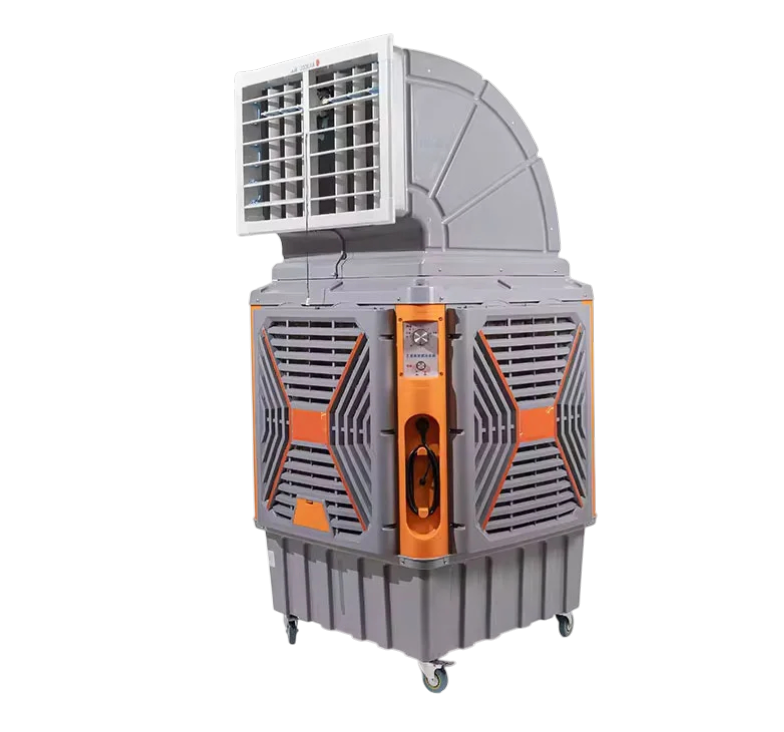
MSC-130 vs MSC-160 vs MSC-180: Choosing the Right Big Airflow Cooler
The three coolers in the Megastar big airflow range differ in airflow, power and water tank size. The MSC-130 moves 13,000 m³/h, the MSC-160 moves 16,000 m³/h and the MSC-180 moves 18,000 m³/h. Choose by the volume of air you need to change, then by how often staff can refill the tank.
How do the three models compare?
| Specification | MSC-130 | MSC-160 | MSC-180 |
|---|---|---|---|
| Airflow | 13,000 m³/h | 16,000 m³/h | 18,000 m³/h |
| Power | 750 W | 1,000 W | 1,100 W |
| Water capacity | 100 L | 130 L | 200 L |
| Noise | 60 dBA | 60 dBA | Under 70 dBA |
| Airflow per watt | 17.3 m³/h | 16.0 m³/h | 16.4 m³/h |
How do you work out the size you need?
Multiply the length, width and height of the area in metres to get its volume. Then divide the cooler's airflow by that volume to see how many times an hour it can change the air.
For example, a shed section of 30 m x 15 m x 6 m holds 2,700 m³. One MSC-130 moves that volume about 4.8 times an hour, and one MSC-180 about 6.7 times. Several smaller coolers can spread the air better than one large unit, so tell us the layout and where people work.
Which model suits which space?
- MSC-130: the lowest power draw and the best airflow per watt of the three, for smaller sections or several units spread along a line.
- MSC-160: more airflow at the same rated noise as the MSC-130.
- MSC-180: the largest airflow and a 200 L tank, for longer runs between refills, with a higher rated noise level.
Why does the water tank matter?
An evaporative cooler uses water all the time it runs, and a dry pad stops cooling. A bigger tank means fewer refills, which matters where the cooler stands away from a water line. If staff refill by hand, give the tank size as much weight as the airflow figure.
What should you do next?
Send us your shed size, roof height and where the heat builds up, and we will suggest a model and a quantity. See the full range on our MSC-160, MSC-130 and MSC-180 pages.